New Lease... Same location... a lot of life changes
I have seriously tried to shoot this video and write this post for about for about six months.
The past few months... let's be honest the last few years, have been some of the most trying in my life as a parent, a husband, a teacher and a Doctor. I have been spread much to thin with my family, with my practice and my patients.
To shorten this story up a bit and get to the point, back in March I signed a long-term lease at my office in Addison, this means I will be in that office for the next few years, and I got one a reduction in my rent over the long hall. But there was a significant increase in the rent over the past lease. I guess that is a good sign for the economy, but it has substantially increased the cost of me doing business. Which translates to me having to raise my rates from $110 / 30 minutes of treatment to $130 / 30-minute and $75 for a 15-minute treatment.
I know this is a bit of an increase, but it is needed for my practice to continue to deliver the stand...
What is the Whole30?
Educational Content Disclaimer: This article provides educational information only and is not intended as medical advice, diagnosis, or treatment. The content discusses general health topics and should not replace consultation with your licensed healthcare provider. Always consult with your doctor before making changes to your diet, supplements, or medications. Dr. JJ Gregor is a Doctor of Chiropractic licensed in Texas and practices within the scope of chiropractic care.
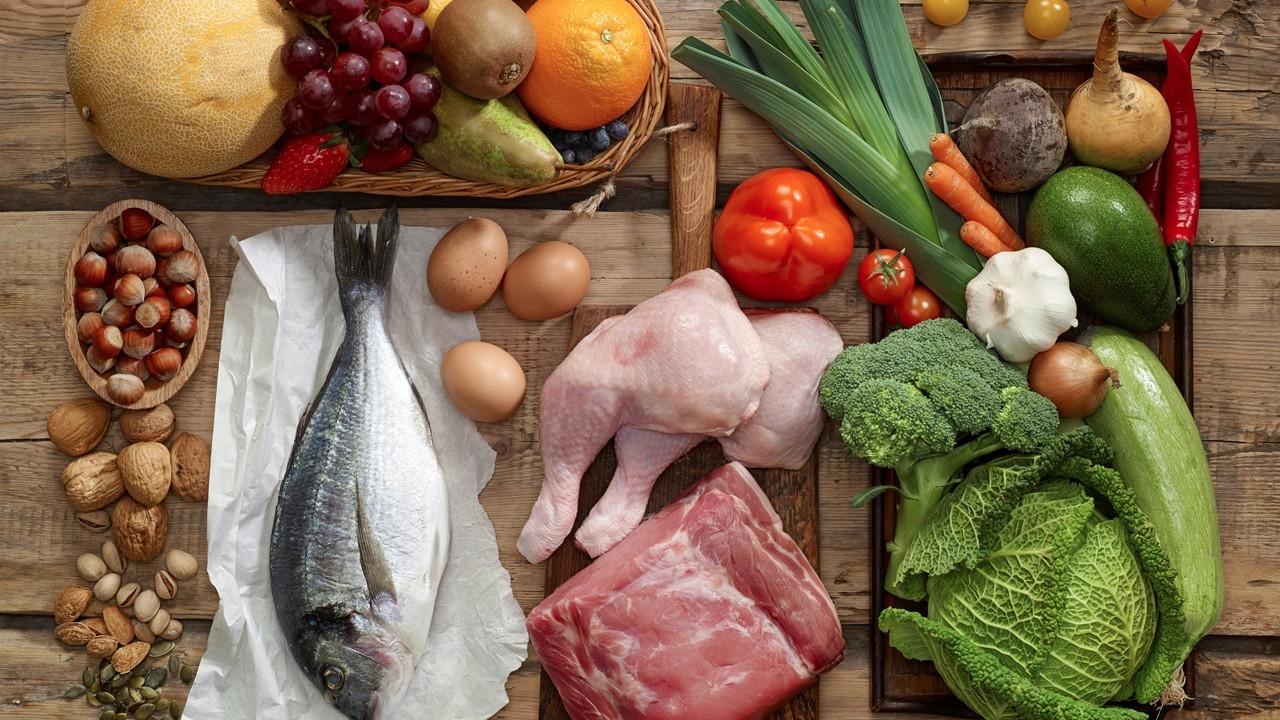
The Whole30: Why I Actually Support This One
Generally I can't stand the latest vogue diet. The Potato Diet, the Alkaline Diet, the Cookie Diet, The Master Cleanse, or the myriad of other oddball diets that try to get you to eat anything but real, unprocessed food.
However, my natural skepticism of fad diets got thrown out the window when the Whole30 started catching on. I find it rather sad that eating whole, unprocessed foods in their natural state gets called a "fad" in the first place. A lot of people think...
Why You Should Avoid High Fructose Corn Syrup!
Why You Should Avoid High Fructose Corn Syrup
High-fructose corn syrup (HFCS) dominates the American food supply. It's in soda, bread, condiments, yogurt, salad dressings, and nearly every packaged food on grocery store shelves.
The food industry loves it because it's cheap, shelf-stable, and sweeter than sugar. Your body hates it because it metabolizes differently than any sugar humans evolved eating.
Here's what HFCS actually is, how it differs from natural sugars, and why it's wrecking metabolic health at a population level.
What Is High-Fructose Corn Syrup?
HFCS is sugar extracted and concentrated from corn. In the early 1970s, food scientists developed industrial processes to break down cornstarch into glucose, then convert some of that glucose into fructose.
The result: a syrup that's 55% fructose and 45% glucose (HFCS-55, used in soft drinks) or 42% fructose and 58% glucose (HFCS-42, used in baked goods and processed foods).
The problem: Fructose and glucose exist a...
How to Get More of the Most Important Nutrient for Life

How to Get More of the Most Important Nutrient On the Planet!
There is a nutrient that is the most important nutrient that you need to get into your body every single day. This nutrient is related to things as far ranging as Dementia and Alzheimer's down to chronic fatigue and an inability to run. It does SO much in your body; you literally cannot live without it.
So, what is the most important nutrient for life?
It is OXYGEN. The basic logic follows that you can live months without food, days without water but only a few minutes without oxygen. That makes good ole oxygen the absolute most important nutrient you can ever get! Most people that I say this to say, “Well, wait a minute, I breathe every second of the day. I get plenty of oxygen. I am not anemic. I KNOW I get plenty of oxygen!!.” Well, the problem is that most of us are not breathing correctly. There are a few simple things we can do to learn to breathe properly and develop the habit pattern to learn always to breathe...
What is Vitamin D and How Can You Get More of It!
Today I wanted to talk to you about one the questions I get asked almost daily in practice, and it’s always talking about vitamin D levels.
So, what is Vitamin D? Well, simply put Vitamin D is obviously, a vitamin but it is honestly much more like a hormone. It acts on the cells and does all kinds of things. It’s tied into almost every single bio- chemical process that we have as humans. It is one the major things that I find is deficient in people who have auto-immune issues, heart disease, cancer, and neurodegenerative conditions. Anything and everything that is affecting us today in society is linked to a vitamin D deficiency. This is probably making an overstatement, but probably every disease has a vitamin and mineral deficiency that just haven’t found the one the right one that’s en vogue.
The past five years it has become en vogue that vitamin D is one of those things that they are testing for significantly. Most of the time, in previous generations over the past thousa...
Tips to Naturally Deal with Anxiety and Worry

Addicted to Worry?
Today we are going to do something a little different, I am going to share an article that I thought was amazing! One of my former students, Dr. Madison, at fulloflifeholistics.com wrote an amazingly personal and heartfelt post about struggles with anxiety and how she overcame them.
There isn't much I can add to her story except that there is always hope, and you don't have to live life shackled by your fears of the unknown. Now, I like Dr. Madison, aren't licensed psychologist, psychotherapists, or counselors, but we have spent a lot of time in direct patient care.
It is scary sometimes as a practitioner when you hear the torment that people deal with on a daily basis. How they often think they can't imagine dealing with this problem that got them into your office for the next few days much less the next 40 years.
Then you get the added pressure of when that same patient tells you they have been to 10 other medical or health professionals before you and that yo...
Are Vibram Five Finger Shoes Safe?

There is a debate in the athletic and academic world about minimalist shoes safety and efficacy. I tend to fall on the anti-establishment side of most things in life. Naturally, I have gravitated to the minimalist and ancestral theories of running and foot mechanics.
So, the Vibram Five Finger shoes appealed to me, granted with a huge amount of skepticism. Honestly, it took three years of seeing my students wear them and test them in those crazy looking shoes, to believe that they might be okay for normal people.
After three years of fighting the ugly shoes, I finally drank the Kool-aid and purchased a pair. I have, to be honest, I am thoroughly shocked that Erin is still with my because they are profoundly unattractive. But they truly are the most comfortable shoes that I have ever put on my feet, by the time the weekend comes around I am craving time in my Vibrams.
Obviously, I have become a fan of the odd looking shoe; I take the health of my feet and the shoes I wear very ...
The Afternoon Blahs

The afternoon blahs, that tired feeling somewhere around 3 p.m. Most of us have experienced at least mild fatigue in the afternoon. Most people just seem to think it is just part of the modern life. We justify the mid-afternoon run to Starbucks because we just didn’t get enough sleep, or we have had way too many late nights.
But in reality, the answer is to take better care of your diet and adrenals. We have talked about it a lot in the past but one of the most telltale signs of blood sugar imbalance and adrenal fatigue that cause those horrible afternoon blahs. So, how can you quickly get rid of those afternoons where all you want to do is crawl under your desk and take a nap? Here are the top 5 things you can do to help fight the afternoon fatigue:
- Don’t skip breakfast! You have to eat protein and fat to keep your blood sugar up throughout the day
- Don’t have a starchy lunch! Bread, pasta, cakes, cookies, candies, rice, potatoes, soda, doughnuts or any other starchy sugary food w ...
How Do You Make A Lasting Change In Life?

Weekly I get asked how long do I have to follow the diet or how long do I have to exercise. Usually, I give them a timeframe that sound doable. Secretly I am hoping that it will be long enough that it will become a habit and stick for the rest of their lives. So, my question often of myself is how do we make a lasting change in life?
One of the overriding believes in my life is that we are the cause of and solution to all of our problems. The problems can be everything from being overweight to suffering through a job that you hate. To quote Emmet Fox:
“Whatsoever a man soweth that shall he also reap. THERE is no such thing as luck. Nothing ever happens by chance. Everything, good or bad, which comes into your life is there as the result of unvarying, inescapable Law. And the only operator of that law is none other than yourself. No one else has ever done you any harm of any kind, or ever could do so, however much it may seem that he did. Consciously or unconsciously you have yo...
Pillars of Health Staying Hydrated
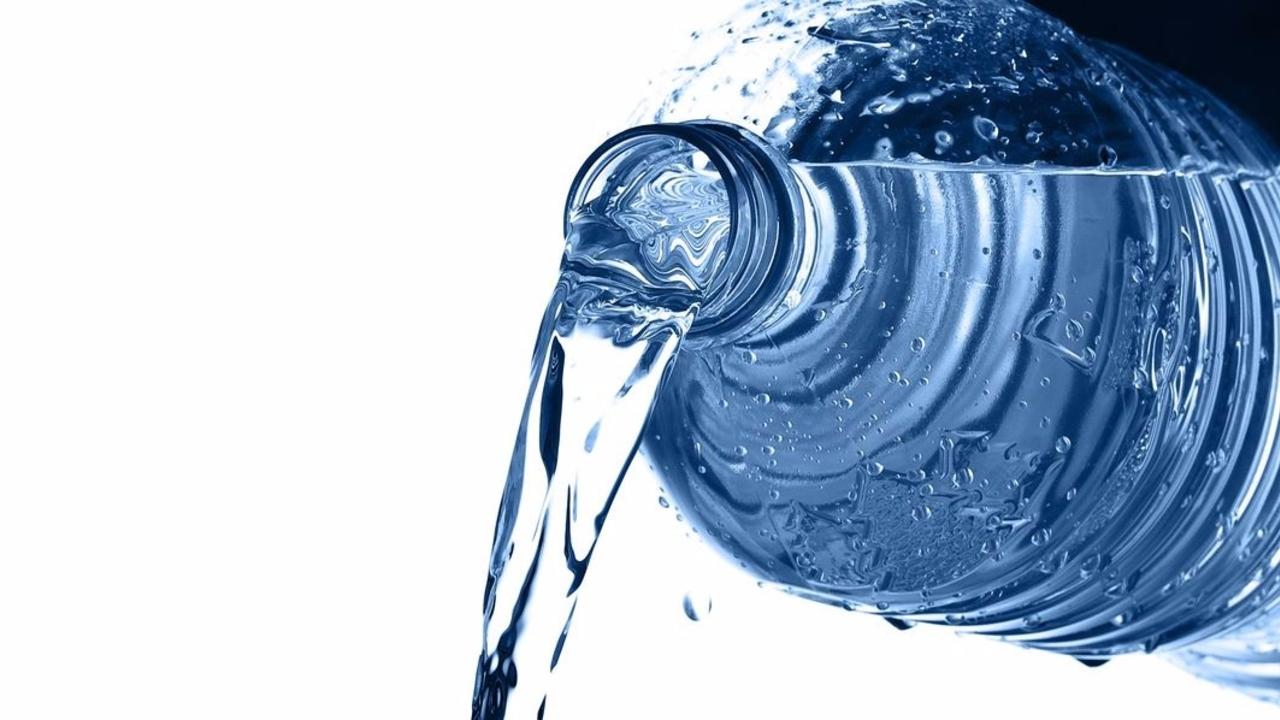
In the first Pillar of Health, we talked about your diet and more importantly keeping your blood sugar balanced. That balance is possibly the most important thing you can do for your health; it keeps you from developing the diseases of modern society and degenerative diseases.
Everything from Osteoporosis to Alzheimer’s have a relationship to your cortisol and blood sugar balance. Moving on to The second Pillar of Health you need to stay hydrated. Staying hydrated is as powerful and infinitely easier to implement into your daily routine. Getting hydrated is simple, drink more high quality water throughout the day. That’s it is that simple.
The benefits are astounding, you have more energy, you’re less hungry throughout the day, you will lose weight, all your organs of elimination (Skin, Kidney, Liver, and Bowel) will work better, you have fewer wrinkles, you are less likely to have back pain, your brain will work better, and so many more things will improve.
The push back that I alm...