Can I Eat Butter?
Educational Content Disclaimer: This article provides educational information only and is not intended as medical advice, diagnosis, or treatment. The content discusses general health topics and should not replace consultation with your licensed healthcare provider. Always consult with your doctor before making changes to your diet, supplements, or medications. Dr. JJ Gregor is a Doctor of Chiropractic licensed in Texas and practices within the scope of chiropractic care.
Yes, You Should Be Eating Butter
One of my mantras in the office is that most people should avoid wheat, corn, dairy, soy, and sugar. Inevitably people ask: what about butter? Isn't that dairy?
Yes, technically. But butter is much more fat than protein, and that distinction matters.
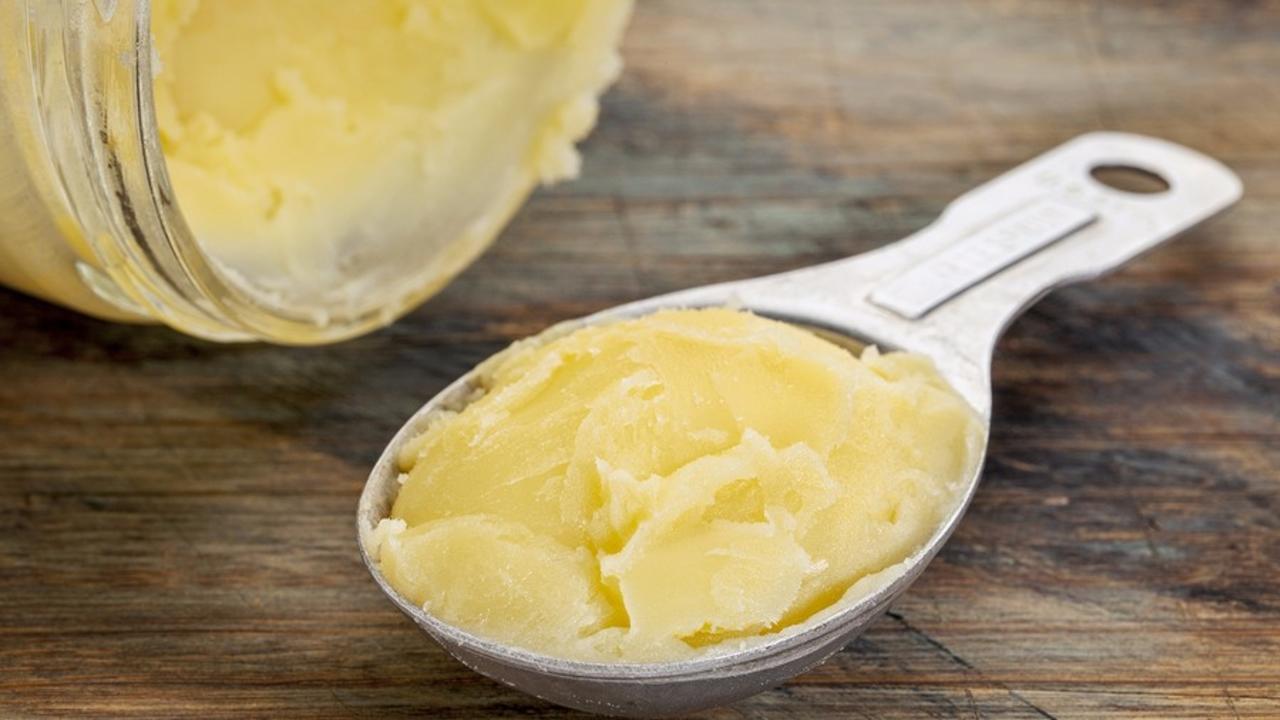
Butter is a water-in-oil emulsification. The water is suspended in the oil, making it solid at room temperature, whereas the cream used to make it is liquid. This emulsification creates stability and reduces spoilage. More importantly, since butter is essentially just the cream's fat and protein, it contains little to no lactose (milk sugar). That's what makes butter different. It's really more of a fat than a dairy product. And it makes everything taste better.
What Butter Actually Does for Your Health
The lack of lactose and the high fat content make butter appropriate on a primal or ancestral eating plan. Here's why butter is far healthier than the last 30 years of nutritional dogma would have you believe.
Fat-soluble vitamins. Butter is high in vitamins A, E, and K. Vitamins A and E are essential for hormone production, kidney function, eyesight, and immune function. They're also among the nutrients I find most consistently out of balance in women with documented hormonal imbalances.
Vitamin K2. The K2 found in butter is fairly rare in the modern diet. It's essential for calcium metabolism, and deficiency is associated with osteoporosis, cardiovascular disease, and cancer. Grass-fed butter is significantly higher in K2 and all other fat-soluble vitamins than conventional butter.
Butyric acid. Butter contains a significant amount of butyric acid, which is highly anti-inflammatory and provides many of the same benefits fiber provides for the bacteria in your colon. This helps balance the gut microbiome and supports healing of the intestinal lining. Leaky gut responds well to butyrate, which is one reason people often feel better when they add quality butter to their diet.
CLA and MCTs. Butter is high in Conjugated Linoleic Acid (CLA), which increases fat-burning capacity and metabolism. It also contains Medium Chain Triglycerides (MCTs), which are metabolized differently from other fats and further support metabolic function.
But Doesn't Fat Make You Fat?
No. This is one of the worst pieces of nutritional advice produced in the last century.
There has been a mountain of horrible science over the past 30 years that labeled fat as the enemy. New research is showing that high-fat dairy doesn't increase cardiovascular or metabolic disease risk and was associated with a significantly reduced risk of obesity.
A lecture I once attended had a speaker say that most people are wrong about most things most of the time. This is especially true with saturated fat. We've been taught for 60 years that fat makes you fat, sick, and causes heart disease.
Recent studies show no correlation between dietary fat and cardiovascular risk. In fact, saturated fats raise HDL cholesterol and convert dense LDL particles to large LDL particles. In plain terms, they lower your overall cardiovascular risk factors.
This isn't new. The Framingham Heart Study examined the effects of butter and margarine on cardiovascular disease. Margarine significantly increased cardiovascular risk factors. Butter had no negative impact. So at the very least get the margarine out of your diet. That stuff will kill you.
What About Cholesterol and Saturated Fat?
Yes, butter contains cholesterol and saturated fat. That's exactly why it's excellent for you.
The war the "scientific" community has waged on saturated fats and cholesterol is based on bad research and half-truths that led well-meaning doctors to improperly recommend low-fat, no-saturated-fat diets. The result was the replacement of butter with inflammatory vegetable oils and margarine, which actually drove the cardiovascular disease epidemic we were supposedly preventing.
Eat butter. Eat it from grass-fed cows when you can. The three secrets to French cooking are butter, butter, and butter, and France ranks significantly higher on overall health measures than the United States.
For comprehensive guidance on anti-inflammatory eating and which fats actually support your health, visit the Eating Right: Nutrition Primer.
If you're in Frisco, Texas and confused about what fats, foods, or dietary approaches are right for your specific situation, Applied Kinesiology can test which foods support and which foods stress your system.
Call or text: (972) 989-4683
Email: drjj@drjjgregor.com
Stay connected with news and updates!
Join our mailing list to receive the latest news and updates from our team.
Don't worry, your information will not be shared.