
Friday Feast - Primal meal of a Smoked Gouda Burger
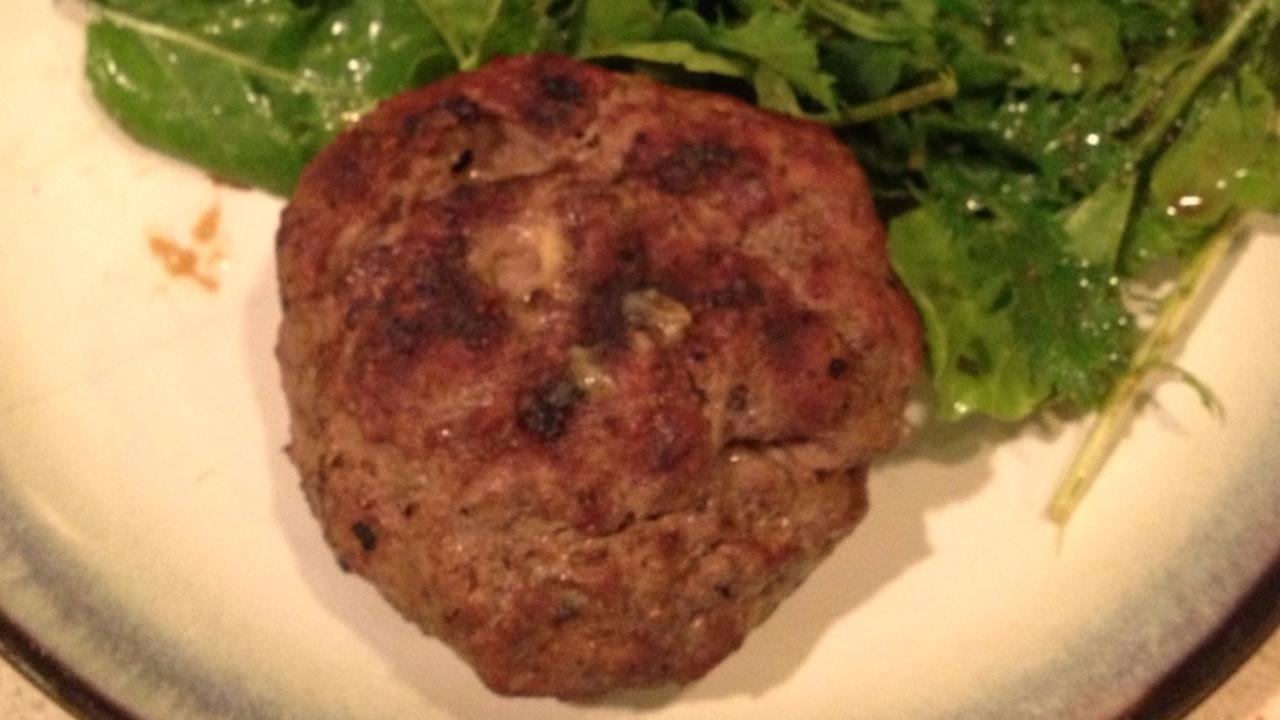
Primal Meal of a smoked Gouda burger and a Salad from the garden
The temps are getting hot, and I find myself in-front the grill or firing up the smoker. This Primal meal of a Smoked Gouda Burger was one of the quickest and easiest we have done yet. Ingredients:
- 2 lbs. Grass-fed ground beef
- 1 1/2 cups Smoked Gouda Cheese cut into cubes
- 3 Tbs. Garlic Powder
- Salt and pepper
Instructions: Combine salt pepper garlic and meat making sure as best you can that the spices are mixed throughout the meat. Take the amount of meat you want to make each patty and form it into a ball. Push the cubes into the balls of ground beef and form the balls into patties. Grill until done. Pick a salad from you container gardens wash and toss with oil & balsamic vinegar.
A to Z Guide to the Foods that Contain Your Food Allergies

Educational Content Disclaimer: This article provides educational information only and is not intended as medical advice, diagnosis, or treatment. The content discusses general health topics and should not replace consultation with your licensed healthcare provider. Always consult with your doctor before making changes to your diet, supplements, or medications. Dr. JJ Gregor is a Doctor of Chiropractic licensed in Texas and practices within the scope of chiropractic care.
A to Z Guide to the Foods That Contain Your Food Allergies
You've identified your food sensitivities. You're avoiding wheat, corn, dairy, soy, or eggs.
Then symptoms return, and you have no idea why.
The problem: these ingredients hide in packaged foods under different names. Modified food starch. Maltodextrin. Lecithin. Hydrolyzed vegetable protein. Natural flavoring.
You're eating your allergens without realizing it.
Here's a comprehensive reference guide to every place your trigger foods show up, includin...
Eating Paleo Improves Your Dental Health

If you are interested in warding off dental health problems before they begin and improving your overall dental health, you have to think about what you are putting into your body. What we eat impacts our entire body, and that, of course, includes our teeth and gums.
As you know, following a Paleo Diet means avoiding processed and packaged foods and Food allergies like wheat, corn, dairy, soy, legumes and increasing your vegetables, fruits, seafood and lean meats. Not only do these foods lack the vitamins and minerals your body needs, they contain little to no nutritional benefits.
This directly impacts the health of your teeth and gums. By staying away from processed foods, your teeth and gums will benefit, just like the rest of your body. Far as your dental health is concerned, sugar is the big bad guy here. Toxic bacterial byproducts eat away teeth structure and bone and cause cavities and periodontal disease. They create a highly acidic environment.
Tooth decay is caused ...
Friday Feast - Paleo Meal - Roasted Red Pepper Turkey Burger
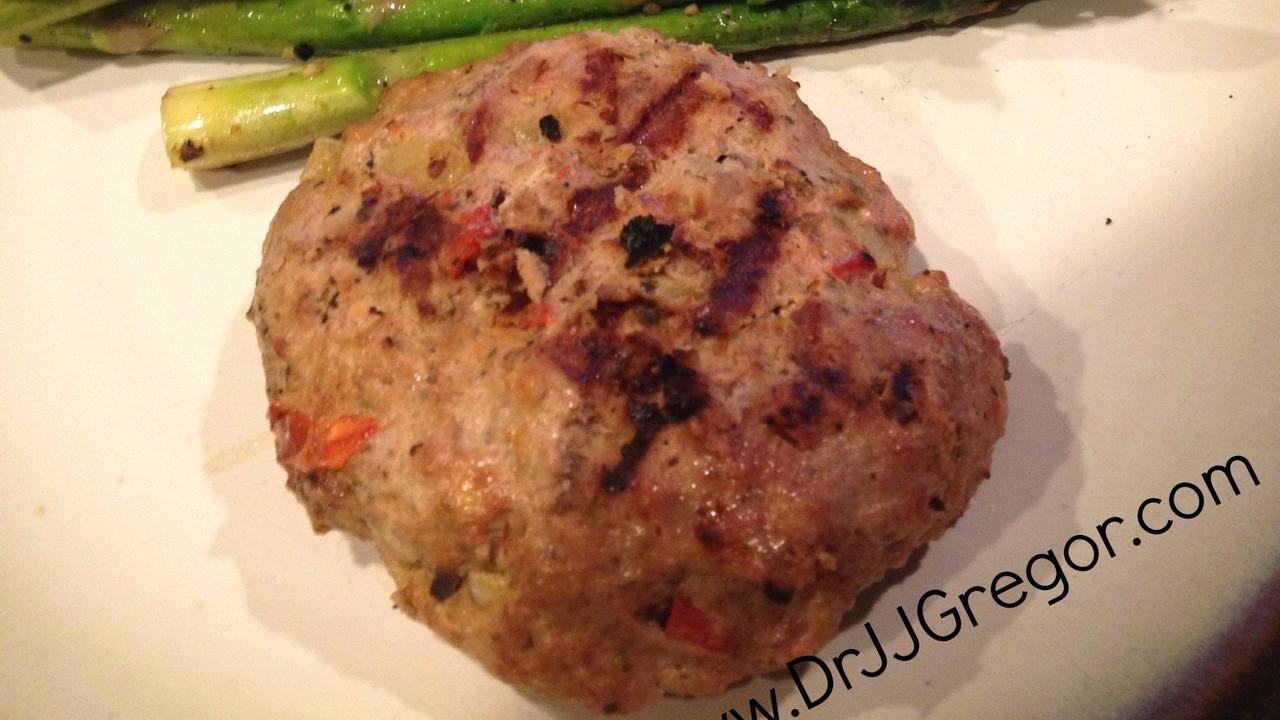
Paleo Meal - Roasted Red Pepper Turkey Burger and Grilled Asparagus
By Dr. J. J. Gregor DC, DIBAK, DCCN
This was pretty easy Paleo / Primal recipe, the part that took the longest was the roasting of the red pepper. Ground turkey tends to be bland in my opinion even if you use the higher fat grind, so I herb the heck out of mine. If the burgers dry out on you, maybe try a home-made marinara sauce type of topping.
1 Red Bell Pepper
2 tsp. Olive oil (for roasting)
2 tbs. Minced Garlic
2 Shallots Diced
1 tbs. Butter
1/2 tsp. Turmeric
2 lbs. Ground Turkey
2 tbs. Oregano
1 tbs. Garlic Powder
1 tsp. Coriander
3 tbs. Italian Seasoning
1 Medium Egg beaten
Salt and Pepper to taste
1 lbs of Asparagus (trimmed)
1 tsp Garlic
2 tsp. olive oil Preheat oven to 500 degrees F, lightly coat the pepper in oil and roast for approx. 30 min. turning every 10 min.
Remove the pepper when all the skin is wilted and loosely wrap in aluminum foil until cool enough to handle.
Remove skin by running under cold water and rubbi...
Digestive Problems - The Overlooked accomplice the Ileocecal valve

Digestive Problems Hidden Component:
By Dr. J. J. Gregor D.C.
Digestive problems affect about 70,000,000 people every day. There are billion dollar drugs that have been concocted to treat the myriad of problems that can be associated with the Gastrointestinal tract, not to mention the innumerable amounts of surgeries that are performed every year on the gut. There as so many causes and different symptoms that can be labeled as a digestive problem, everything from Chron's and
There as so many causes and different symptoms that can be labeled as a digestive problem, everything from Chron's and Gluten sensitivities and food allergies, hyper (too much) or hypo (too little) stomach acid, Gas, Belching, Bloating, Constipation, Diarrhea to nausea and vomiting.
There is a much overlooked and potentially major accomplice in these symptoms/conditions, the ileocecal valve. First, let us talk about your digestive tract, which absorbs nutrients and the building blocks for your cells. Your d...
Friday Feast Healthy Primal Dinner Recipe Chicken Breast
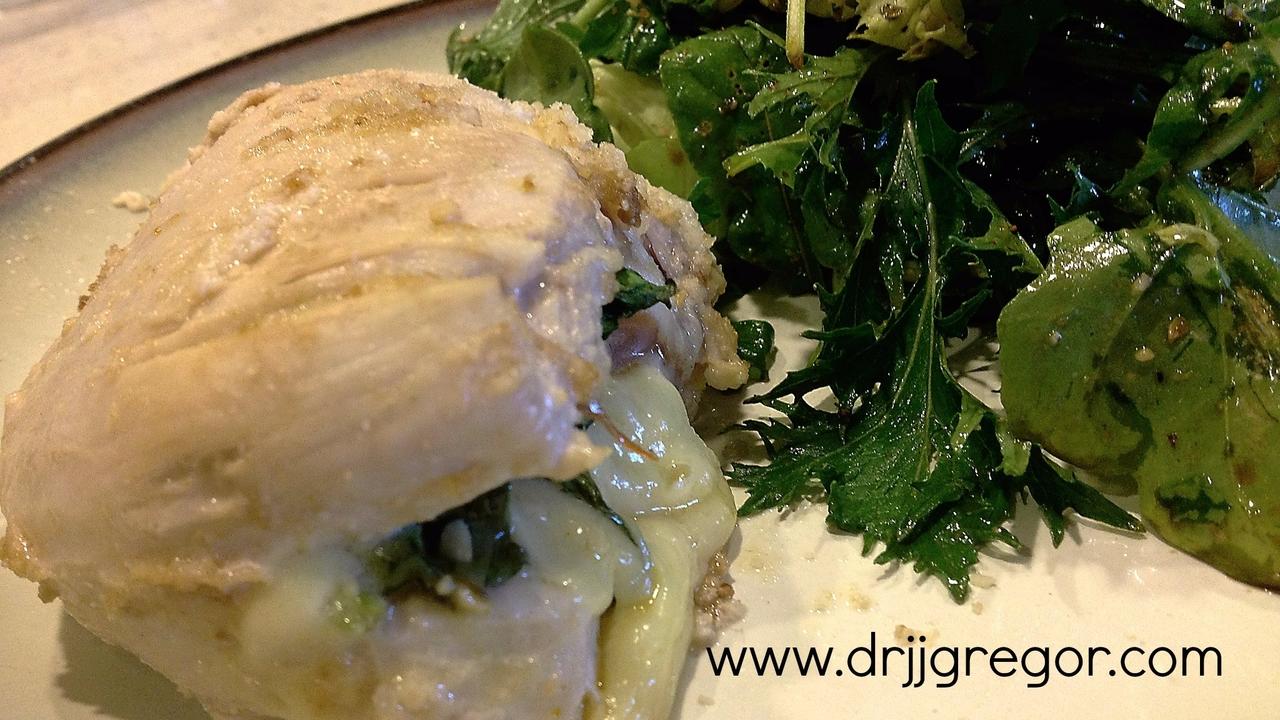
Healthy Primal Dinner Recipe - Chicken Breast Stuffed with Garlic, Spinach, Cheese and Prosciutto with Salad from the Garden
by Dr. J. J. Gregor
Stuffed Chicken Breast. This was one easiest and best meals we have cooked in a long time! This is a healthy primal dinner recipe that we used Kerrygold Reserve Cheddar (AMAZING! Costco Rocks sometimes!). The Salad came out of my "garden" in pots; you can use any other salad that you like.
4 Boneless Skinless Chicken Breast
4 Slices of Prosciutto
2-3 oz. of Kerrygold Cheddar Reserve Cheese
1-1/2 cup baby Spinach leaves chopped
1 Tbs. Minced Garlic
4 Tbs. Almond meal
2 Tbs. Butter
1 Egg beaten (Egg Wash)
salt and pepper to taste
Salad:
Mixed greens, Garlic Powder, Oregano, Salt & Pepper to taste, Balsamic Vinegar & Olive Oil. Preheat oven to 350 F
Mix the chopped Spinach, Garlic, Salt and Pepper in a bowl.
Cut a pocket in the chicken breast, dredge each breast through the egg wash and coat with the almond flower. In a pan with melted butter and pan...
What Causes Sleep Apnea and What You Can Do To Fix It

By Dr. J. J. Gregor
In 2009 I was lucky enough to travel to Munich, Germany to take an advanced certification test (Diplomate in Applied Kinesiology) and was able to take my mother, who had never been to Europe. We shared a room, and the trip was amazing. However, my mom did manage to scare the hell out of me in the middle of the night the first night when she would just stop breathing for a breath or two, several times. If you've had the misfortune of ever witnessing this, you understand what a disturbing experience it is. I made her go to a sleep center when she got home, and they officially diagnosed her with sleep apnea.
This is a common chronic disorder, which disrupts the sleep of close to 25% of the population in the U.S. And if left untreated, is extremely dangerous. There are two types of sleep apnea. The first and most common type is obstructive sleep apnea, where your airway becomes blocked or even collapses. Most of the time the cause of the obstruction is an inhib...
Friday Feast - Paleo Meal - Smoked Salmon Casserole & Sautéed Red Pepper and Kale

Paleo Meal of Smoked Salmon Casserole & Sauteed Red Pepper & Kale
This is a quick and easy primal or paleo meal that was perfect for dinner or a Sunday brunch with the whole family! You could even make it ahead and use it for a quick breakfast!
Smoked Salmon Casserole
1 T Butter
3 cup pulled smoked salmon
3⁄4 cup chopped green onions
2 tsp. minced garlic
12 large eggs, beaten
1⁄2 t kosher salt
1⁄2 t black pepper
Red Pepper Kale
3 T Butter
2 large red bell pepper, thinly sliced
1 T minced garlic
2 lb chopped kale
Salt and pepper to taste Preheat oven to 350°F. Rub butter in a 13x9-inch baking dish.
Sprinkle salmon, onions, and garlic in bottom of the dish.
Whisk together eggs, salt, and pepper in a large bowl until fluffy.
Pour into baking dish.
Bake 35 - 40 minutes or until center is set. Heat butter in a large skillet over medium heat.
Add red pepper and garlic; sauté 4 minutes.
Add kale and cook 5 minutes or until wilted.
Stir in salt and pepper.
Eat Locally and Ancestrally
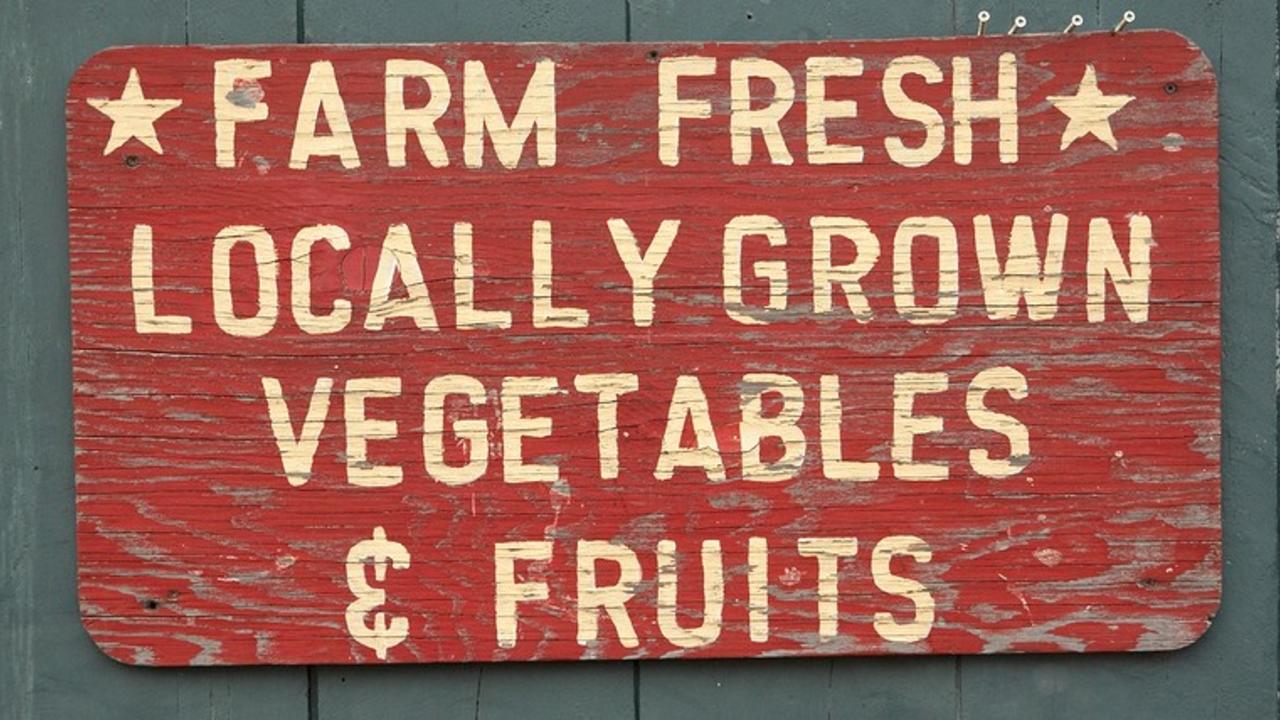
Eat Local to Improve Your Health and the Environment
Dr. J. J. Gregor DC
One of the main tenants of the Ancestral Diet (Paleo or Primal) is to eat locally. As we were 'growing up' as a species, before the advent of agriculture, we could only eat what we could find growing wild or what we could hunt. Hence, we were hunter-gatherers. We did this for around 200,000 years.
Not to eat locally means that our genes are designed to eat a variety food that can be walked to in less than a day. Unfortunately, today our diets can't be considered local. In fact, they are far from local. The average distance an American meal travels from farm to fork is about 1500 miles!
This is the distance from my office here in Dallas, TX to Boston, MA. There are significant problems with this in regards to the freshness of the food. Usually, it takes three to five days after harvest to get to your local grocery store, so these foods were harvested five to ten days before they were ripe or when our a...
Beans, Not So Good for Your Heart!
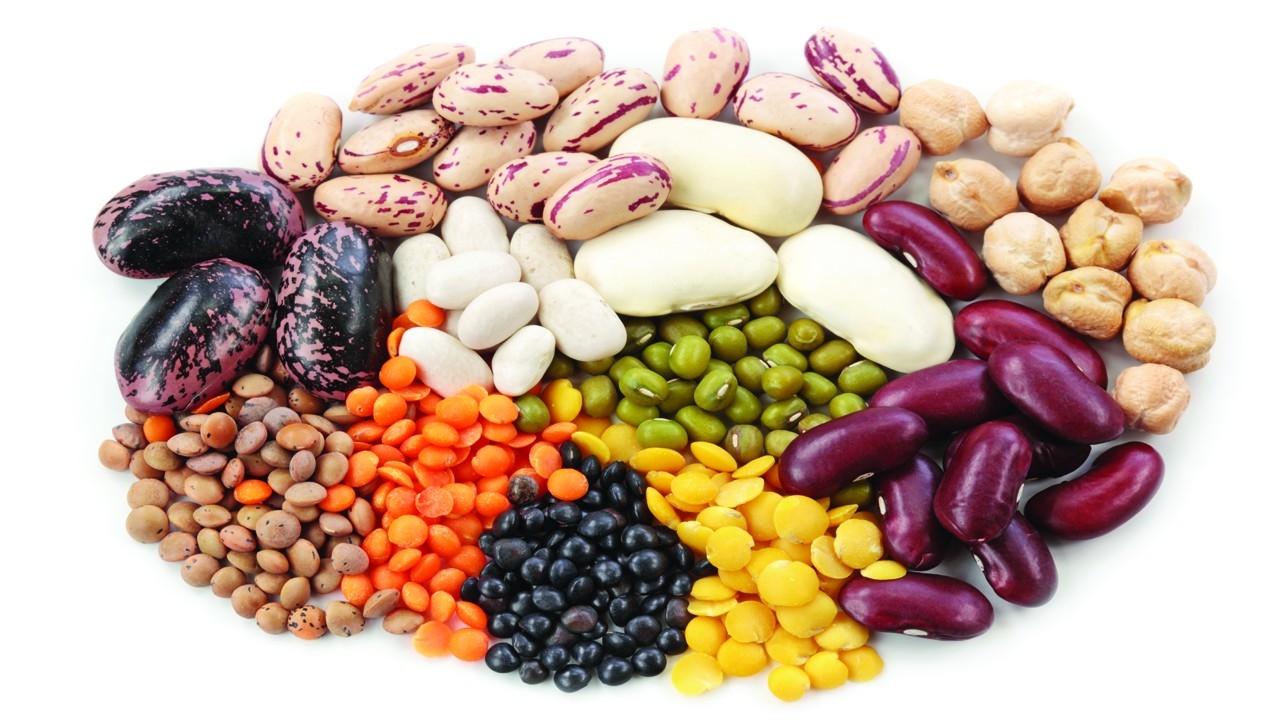
Phytates Bind Essential Minerals in Your Diet
Dr. J. J. Gregor DC
If I told you that a chemical, called phytates, found in one food group had been linked to osteoporosis, depression, cardiovascular disease, type II diabetes, dementia, bowel dysfunction, potential male impotence, and iron deficiency anemia, would you eat those foods? Although it seems pretty impossible, there is one toxic food that can cause all of these problems. This horrible plague of phytates are naturally found in any grain, nut, seed or legumes:
Wheat, Oats, Quinoa, Spelt, Almonds, Soybeans, etc. All have significant amounts of Phytic Acid or phytates. These phytates are what are called chelators, meaning they bind things up, which prevents your gut from absorbing them.
Now if we were to simply talk about chelating Uranium, then that's a great thing. However, these phytates also bind up important minerals like Calcium, Magnesium, Iron and Zinc. If you eat grains, nuts, seeds or legumes you may experience...