
What You Should Not Be Eating When You Have IBS?
Educational Content Disclaimer: This article provides educational information only and is not intended as medical advice, diagnosis, or treatment. Food elimination diets should be done under professional guidance, especially for those with nutritional concerns or eating disorder history. The low-FODMAP diet is meant to be temporary, not a permanent lifestyle. Always work with qualified healthcare providers for proper diagnosis and treatment of IBS and related conditions. Dr. JJ Gregor is a Doctor of Chiropractic licensed in Texas and practices within the scope of chiropractic care.
What You Should Not Be Eating When You Have IBS
If you've been diagnosed with IBS, you've probably been told to "watch what you eat" or "keep a food diary." Maybe someone handed you a list of trigger foods. Maybe you're already avoiding half the grocery store and still having symptoms.
Here's what nobody explains: the foods that trigger your IBS aren't the problem. They're revealing the problem.
When your gut is functioning properly, you can eat garlic without bloating for three days. You can have an apple without gas and cramping. You can drink milk without spending the afternoon in the bathroom.
The issue isn't that these foods are inherently toxic. The issue is that your gut is dysfunctional, and these foods expose that dysfunction through fermentation, inflammation, or immune reactions.
Understanding which foods to avoid is important for managing symptoms while you heal. Understanding WHY you're reacting is essential for actually fixing the problem.
Remove All Grains First
This goes against everything the American Dietetic Association and mainstream nutrition advice has conditioned us to believe. Whole grains are supposed to be healthy, right? Heart-healthy whole wheat. Fiber-rich oatmeal. Nutrient-dense quinoa.
They're wrong.
Every person with IBS needs to remove ALL grains from their diet. Not just gluten-containing grains. All of them.
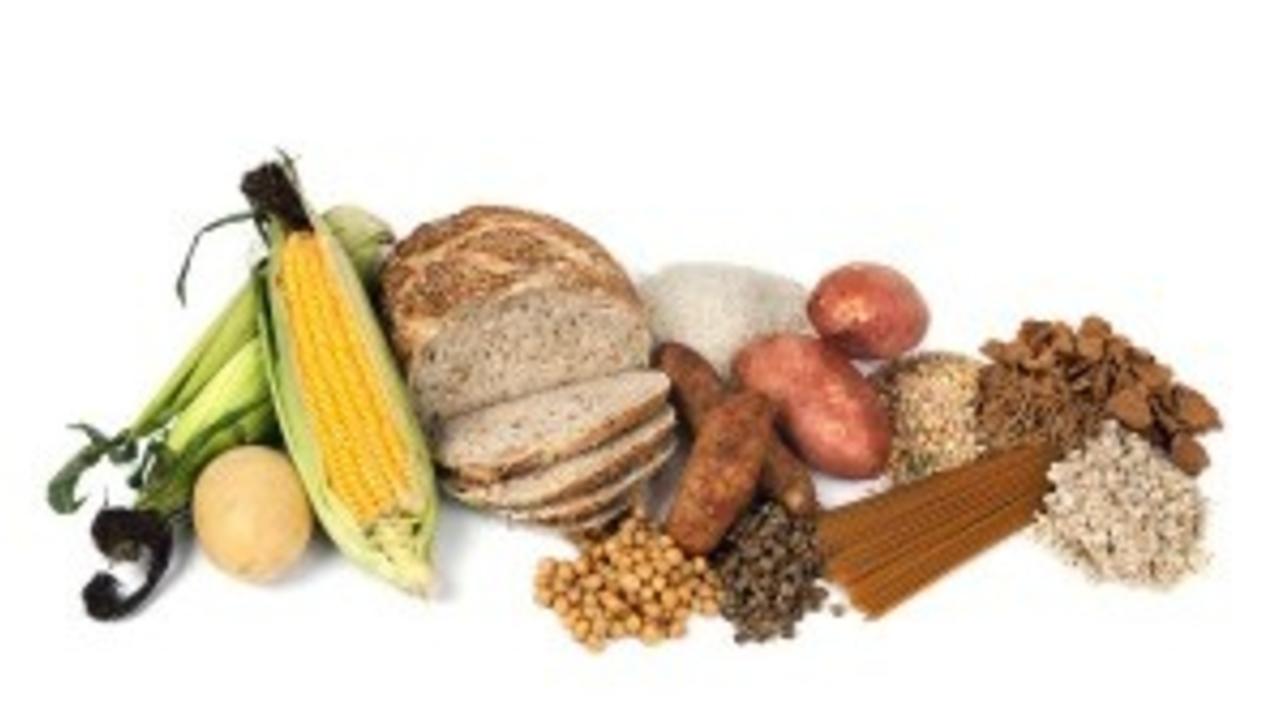
This includes what most people consider "healthy" whole grains: bulgur, whole wheat flour, whole oats and oatmeal, whole grain corn and cornmeal, popcorn, brown rice, whole rye, whole grain barley, farro, wild rice, buckwheat, triticale, millet, quinoa, sorghum.
The Gluten-Gliadin-Zonulin Connection
Everyone's heard that gluten is bad. Most people have no idea why.
Gluten and gliadin are proteins found in wheat, barley, and rye. When gliadin hits your small intestine, it binds to receptors and triggers the release of zonulin.
Zonulin is the protein that regulates tight junctions between the cells of your intestinal lining. When zonulin levels spike, those tight junctions open up. Your gut barrier becomes permeable. Large molecules, bacterial fragments, and partially-digested proteins slip through into your bloodstream.
This is leaky gut. The mechanism is well-documented.
But here's what makes it relevant to IBS: when zonulin opens those tight junctions, water floods into your small intestine. It's the same mechanism as a cholera infection. Your gut flushes itself out.
This increases intestinal peristalsis (things move through your gut very quickly), causes cramping, and triggers diarrhea. If you have IBS-D (diarrhea-predominant), gluten is making it worse every single time you eat it.
Even if you don't have celiac disease. Even if you tested negative for gluten sensitivity. The zonulin response happens in everyone who eats gliadin. It's not an allergy. It's a normal physiological response to a protein that humans aren't designed to eat in the quantities modern diets provide.
Why "Gluten-Free" Grains Still Cause Problems
Removing wheat, barley, and rye helps. But if you replace them with corn, rice, oats, and quinoa, your IBS probably won't improve much.
Grains contain lectins, phytates, and other anti-nutrients that damage the gut lining and create inflammation. They're also high in fermentable carbohydrates (which we'll get to with FODMAPs).
Oats, even certified gluten-free oats, contain avenin, a protein similar enough to gliadin that many people with IBS react to it.
Corn is highly inflammatory for most people and often contaminated with mycotoxins (fungal toxins from mold). It's also usually genetically modified and heavily sprayed with glyphosate, which damages gut bacteria.
Rice, especially brown rice, is high in arsenic and anti-nutrients. White rice is pure starch with minimal nutrition.
Quinoa, while technically a seed, contains saponins that irritate the gut lining.
In my clinical experience, I have not found a safe grain for people with active IBS. Once your gut heals, you might tolerate small amounts of certain grains. But while you're symptomatic, they all need to go.
FODMAPs: The Next Level
If you've removed grains and still have symptoms, the next step is addressing FODMAPs.
FODMAP stands for Fermentable Oligosaccharides, Disaccharides, Monosaccharides And Polyols. These are short-chain carbohydrates that are poorly absorbed in the small intestine.
Some people think "great, carbs that don't get absorbed, I can eat them without gaining weight." Not how this works.
When these carbohydrates aren't absorbed in your small intestine, they travel to your large intestine where bacteria ferment them. Think making beer, but in your gut, without the alcohol.
This fermentation produces gas. Lots of gas. Hydrogen, methane, sometimes hydrogen sulfide. This gas creates bloating, distension, cramping, and altered bowel movements. All classic IBS symptoms.
Why FODMAPs Are a Problem (The SIBO Connection)
Here's the critical piece most FODMAP information misses: FODMAPs are only a problem when you have bacterial overgrowth.
In a healthy gut, FODMAPs get fermented in your large intestine (where they're supposed to be) by beneficial bacteria that produce short-chain fatty acids like butyrate. This is actually good for you. Butyrate feeds your intestinal cells and reduces inflammation.
But when you have SIBO (Small Intestinal Bacterial Overgrowth), bacteria that belong in your large intestine have migrated into your small intestine. Now those FODMAPs get fermented too early, in the wrong location, by the wrong bacteria.
This creates excessive gas production in your small intestine, which your body isn't designed to handle. Hence the bloating that makes you look six months pregnant after eating a salad with garlic and onions.
The low-FODMAP diet manages symptoms by reducing bacterial fuel. But it doesn't fix the bacterial overgrowth. That's why you need to treat SIBO while following a low-FODMAP protocol, not just avoid FODMAPs forever.
The Antibiotic Connection
Most people with severe FODMAP sensitivity have had multiple rounds of antibiotics, especially in early life.
Antibiotics don't discriminate. They kill beneficial bacteria along with pathogenic bacteria. This creates dysbiosis (bacterial imbalance) where beneficial species decline and pathogenic species proliferate.
Without enough beneficial bacteria to keep pathogenic species in check, you get overgrowth. This overgrowth ferments FODMAPs excessively, creating gas and inflammation.
This is also why many people develop recurrent infections with prolonged antibiotic use. The beneficial bacteria that normally prevent infections are gone. The antibiotics created the conditions for more infections.
Rebalancing your microbiome after antibiotic damage requires targeted probiotics, fermented foods, and often antimicrobial herbs to knock down pathogenic overgrowth before beneficial species can recolonize.
Dairy: Lactose and Casein Problems
Dairy causes IBS symptoms through two mechanisms: lactose intolerance and casein sensitivity.
Lactose is milk sugar. To digest it, you need the enzyme lactase. Most humans lose lactase production after weaning. When undigested lactose reaches your large intestine, bacteria ferment it. Gas, bloating, diarrhea result.
This is lactose intolerance, and it affects about 65% of the global population. It's not a disease. It's normal mammalian biology. Humans aren't designed to drink milk after infancy, especially not from another species.
Casein is milk protein. Even in lactose-free dairy, casein can trigger immune responses in people with leaky gut. Casein molecules are large and can cross a compromised gut barrier, triggering antibody production and inflammation.
Casein also increases mucus production in many people, which can worsen IBS symptoms.
Some people tolerate fermented dairy (yogurt, kefir, aged cheese) better because fermentation breaks down lactose and partially digests casein. But if you have active IBS, removing all dairy for at least three weeks will help clarify whether it's contributing to your symptoms.
Sugar Alcohols and Artificial Sweeteners
Sugar alcohols (sorbitol, mannitol, xylitol, maltitol, isomalt) are polyols, the "P" in FODMAP.
They're poorly absorbed in the small intestine, which makes them low-calorie sweeteners. But that poor absorption means they reach your large intestine intact, where bacteria ferment them.
Sugar alcohols also have an osmotic effect, pulling water into your intestines. This is why sugar-free gum and candy (sweetened with sorbitol or xylitol) often cause diarrhea if you consume enough of them.
Many fruits naturally contain sorbitol (apples, pears, stone fruits). If you're FODMAP-sensitive, even these natural sources can trigger symptoms.
Artificial sweeteners like aspartame and sucralose don't ferment like sugar alcohols, but they do alter gut bacteria composition and can worsen dysbiosis. Better to avoid all artificial sweeteners when dealing with IBS.
High-Fructose Foods and HFCS
Fructose is a monosaccharide, the "M" in FODMAP. Some people can't absorb fructose efficiently, especially when it's not paired with glucose in equal amounts.
High-fructose fruits (apples, pears, mangoes, watermelon) and anything with high-fructose corn syrup can cause problems.
Unabsorbed fructose travels to your large intestine where bacteria ferment it. More gas, more bloating, more IBS symptoms.
Honey is also high in fructose and often triggers symptoms in FODMAP-sensitive people.
Interestingly, small amounts of fructose paired with equal glucose (like in table sugar) are usually better tolerated because glucose helps transport fructose across the intestinal barrier.
The Elimination and Reintroduction Strategy
Here's the protocol I use with IBS patients:
Phase 1 - Strict Elimination (3 weeks minimum): Remove ALL grains, ALL dairy, ALL high-FODMAP foods. Three weeks minimum to allow inflammation to settle and the gut barrier to begin healing. No cheating. No "just a little bit."
Phase 2 - Reintroduction (systematic testing): After three weeks of strict elimination, systematically reintroduce foods one at a time. Test each food for 2-3 days before adding another. If symptoms return, remove that food and wait until symptoms resolve before testing the next one.
Phase 3 - Personalized Protocol: Based on reintroduction results, create your personalized list of safe vs. trigger foods. Focus on fixing the underlying SIBO, leaky gut, and dysbiosis so you can eventually tolerate more foods.
The goal isn't to restrict your diet forever. It's to identify current triggers while healing the underlying dysfunction so you can eat normally again.
Foods to Avoid During Elimination Phase
Below is a comprehensive list of high-FODMAP foods and other common IBS triggers.
| Vegetables and Legumes | Fruit | Grains, Bread, Nuts | Sweets & Sweeteners |
| Garlic (avoid entirely) | Apples | ALL wheat products | Agave |
| Onions (avoid entirely) | Apricots | Biscuits | Fructose |
| Artichoke | Avocado | Breadcrumbs | High fructose corn syrup |
| Asparagus | Blackberries | Cashews | Honey |
| Baked beans | Cherries | Cakes | Milk chocolate |
| Beetroot | Currants | Egg noodles | Sugar-free sweets |
| Black eyed peas | Dates | Regular noodles | Inulin |
| Broad beans | Grapefruit | Pastries | Isomalt |
| Butter beans | Lychee | ALL pasta (wheat-based) | Maltitol |
| Cauliflower | Mango | Udon noodles | Mannitol |
| Celery (>5cm stalk) | Nectarines | ALL bread | Sorbitol |
| Kidney beans | Peaches | ALL cereals | Xylitol |
| Leeks | Pears | Barley | |
| Lentils | Persimmon | Rye | |
| Mushrooms | Plums | Couscous | |
| Peas | Prunes | Pistachios | |
| Savoy cabbage | Raisins | Semolina | |
| Soybeans | Tinned fruit in apple/pear juice | Quinoa | |
| Shallots | Watermelon |
| Drinks | Dairy Foods |
| Beer (>1 bottle) | Buttermilk |
| Dandelion tea | Cream cheese |
| Fruit teas with apple | Cream |
| Orange juice (>100ml) | Custard |
| Rum | Ice cream |
| Sugar-free fizzy drinks | Margarine |
| Sports drinks | Milk (cow, goat, sheep) |
| Wine (>1 glass) | Sour cream |
| Yogurt (all types) |
What You Can Eat
Proteins: Beef, chicken, turkey, fish, seafood, eggs (if tolerated), lamb, pork
Low-FODMAP Vegetables: Leafy greens (spinach, kale, lettuce), zucchini, carrots, bell peppers, cucumbers, green beans, bok choy, eggplant, tomatoes
Low-FODMAP Fruits: Berries (strawberries, blueberries, raspberries), bananas (firm, not overripe), citrus (oranges, lemons, limes), grapes, kiwi, cantaloupe
Fats: Olive oil, coconut oil, avocado oil, butter or ghee (if dairy-tolerant), animal fats
Safe Starches (if needed): Sweet potatoes, white potatoes, cassava, plantains
The Stress-IBS-Food Connection
One more critical piece: stress makes everything worse.
When you're stressed, cortisol production becomes dysregulated. Cortisol normally helps control inflammation, including in your gut. When cortisol is depleted, you lose that inflammatory control.
Stress also affects gut motility, increases gut permeability, and alters bacterial balance. You might be more stressed than you realize, and that stress is making your food reactions worse.
Managing stress isn't optional for IBS recovery. It's foundational.
This Is Temporary
The elimination phase is not forever. It's a diagnostic and healing tool.
Once you've identified your triggers and addressed the underlying SIBO, leaky gut, and dysbiosis, you can often reintroduce foods successfully.
Your gut can heal. Your bacterial balance can be restored. Your food tolerance can improve dramatically.
But you have to address the mechanisms, not just avoid foods indefinitely.
For comprehensive nutrition strategies that support gut healing and reduce IBS symptoms, visit the Eating Right: Nutrition Primer.
For stress management and adrenal support protocols that improve gut function, visit the Live Right: Lifestyle Primer.
If you're in Frisco, Texas and dealing with IBS that isn't improving despite avoiding trigger foods, Applied Kinesiology can identify the SIBO, leaky gut, and adrenal factors maintaining your digestive dysfunction.
Call or text: (972) 989-4683
Email: drjj@drjjgregor.com
Stay connected with news and updates!
Join our mailing list to receive the latest news and updates from our team.
Don't worry, your information will not be shared.