
You Might Have Fewer Allergies If You Ate More Dirt!
You Might Have Fewer Allergies If You Ate More Dirt
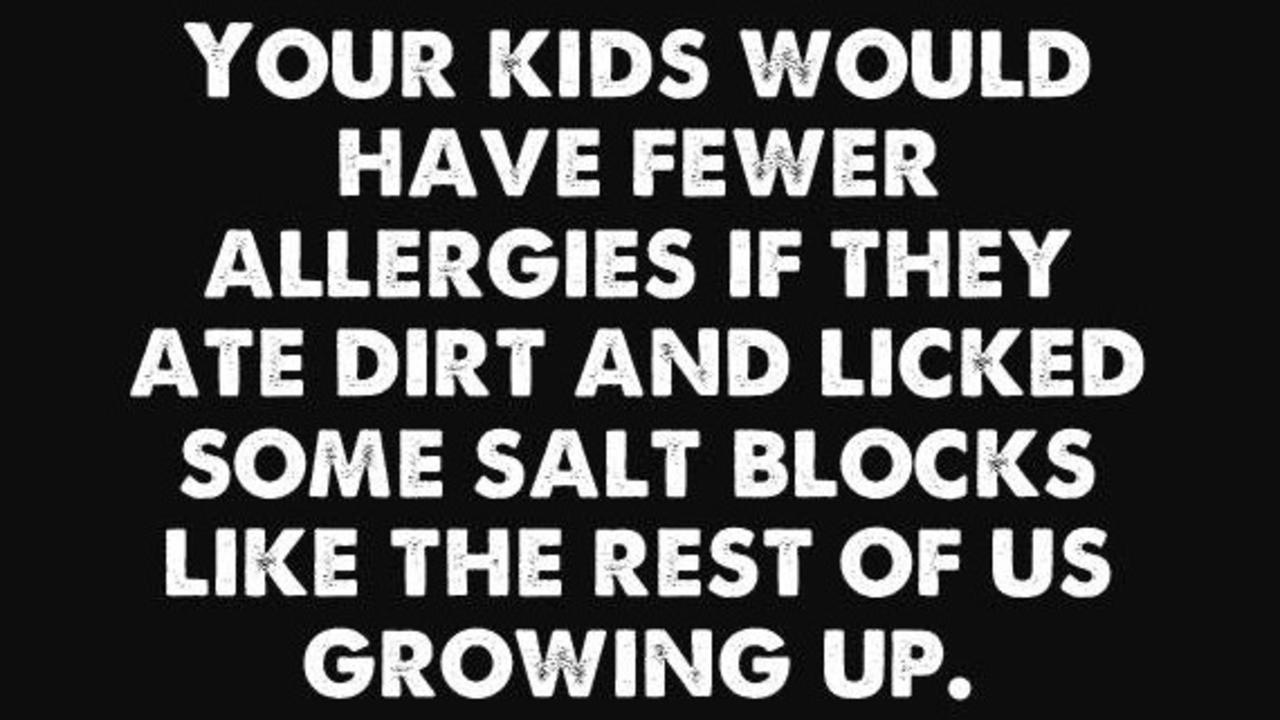
The title sounds like clickbait. It's not. There's substantial evidence that early-life exposure to dirt, dust, animals, and microbes significantly reduces the risk of developing allergies and asthma. This isn't fringe science—it's the hygiene hypothesis, supported by decades of epidemiological and immunological research.
I'm not advocating eating mud pies or abandoning hand washing after using the bathroom. The medical profession's adoption of hand washing in the mid-1800s dramatically reduced maternal and infant mortality from puerperal fever. Ignaz Semmelweis, the physician who proposed that doctors wash their hands between autopsies and deliveries, was ridiculed by his colleagues, institutionalized, and died shortly after—only to have his theories validated posthumously as germ theory became accepted.
Hygiene matters. But our modern obsession with sterilizing every surface, eliminating all bacterial exposure, and using antimicrobial products ubiquitously has created unintended consequences: skyrocketing rates of allergies, asthma, autoimmune diseases, and immune dysfunction.
The Hygiene Hypothesis
The hygiene hypothesis, first proposed by epidemiologist David Strachan in 1989, observes an inverse relationship between childhood infectious disease exposure and allergy development. Children with older siblings, who attend daycare, who live on farms, or who grow up in less sanitized environments have significantly lower rates of allergies and asthma compared to children raised in ultra-clean, low-microbial-exposure environments.
Why? Your immune system develops in response to microbial exposure. Without adequate microbial training during critical developmental windows (primarily ages 0-5), the immune system doesn't learn to distinguish harmless substances from actual threats. It remains hypervigilant and overreactive—attacking pollen, pet dander, and food proteins as if they were dangerous pathogens.
Th1 vs Th2 Immune Balance
Your immune system has two primary T helper cell responses:
Th1 response: Fights intracellular pathogens (viruses, bacteria). Activated by microbial exposure, infections, and environmental microbes. Promotes cell-mediated immunity.
Th2 response: Fights parasites and extracellular threats. Produces antibodies (IgE) that trigger allergic responses when inappropriately activated by harmless substances like pollen or food proteins.
These two systems balance each other. In utero and early infancy, babies are Th2-dominant (this prevents maternal immune rejection during pregnancy). After birth, microbial exposure from the environment, gut colonization, and infections shift the immune system toward Th1 dominance—which suppresses inappropriate Th2 allergic responses.
Without sufficient early microbial exposure, the immune system stays stuck in Th2 dominance. Result: allergies, asthma, eczema, food sensitivities.
The Microbiome: Your Sickness Force Field
You're covered in bacteria—trillions of them. Your skin, mouth, gut, respiratory tract—every surface harbors a complex ecosystem of microorganisms. This is your microbiome.
Think of beneficial bacteria as your immune system's sparring partners. They train your immune cells to recognize friend from foe, regulate inflammatory responses, and occupy ecological niches that pathogenic bacteria would otherwise colonize. When you have a diverse, robust microbiome, pathogenic bacteria can't gain a foothold. You're protected not by sterility, but by microbial competition.
Children raised on farms, exposed to livestock, dirt, and diverse environmental microbes, develop rich, diverse microbiomes. Their immune systems encounter thousands of bacterial species during critical developmental windows. This microbial training creates immune tolerance—the ability to ignore harmless substances while responding appropriately to actual threats.
Children raised in ultra-clean urban environments, frequently treated with antibiotics, using antimicrobial soaps, and having limited outdoor exposure develop impoverished microbiomes. Their immune systems lack microbial training. They develop allergies and asthma at rates 3-5 times higher than farm-raised children.
The Antibacterial Soap Problem
The FDA has raised concerns about antibacterial soaps containing triclosan and triclocarban. These chemicals don't provide superior cleaning compared to regular soap and water, but they do:
- Disrupt hormone function (triclosan is an endocrine disruptor)
- Contribute to antibiotic resistance
- Kill beneficial skin bacteria, allowing pathogenic bacteria to colonize
- Accumulate in the environment, affecting aquatic ecosystems
- Potentially impair immune development when used chronically in children
Regular soap works by mechanically removing bacteria and dirt. It doesn't need to kill everything—just remove the majority of contaminants. Your skin's resident bacteria (your microbiome) recolonize quickly, maintaining your protective bacterial barrier.
Antibacterial products create a microbial void. Pathogenic bacteria often recolonize faster than beneficial species, leaving you more vulnerable to infection and immune dysfunction.
The Gut-Immune Development Connection
Your gut microbiome—the bacterial ecosystem in your intestines—is the primary training ground for your immune system. Approximately 70-80% of immune cells reside in gut-associated lymphoid tissue (GALT).
Babies are born with sterile guts. During vaginal birth, they're inoculated with maternal vaginal and fecal bacteria (primarily Lactobacillus and Bifidobacterium species). This initial colonization is critical for immune development. Babies born via C-section, who miss this microbial transfer, have higher rates of allergies, asthma, and autoimmune diseases.
Breastfeeding continues microbial training. Breast milk contains prebiotics (oligosaccharides that feed beneficial bacteria) and probiotics (live beneficial bacteria). Formula-fed infants develop different gut microbiomes and have higher allergy rates.
Early antibiotic use disrupts gut microbiome development. Children who receive antibiotics in the first year of life have significantly higher rates of allergies and asthma. Each antibiotic course further dysregulates the developing immune system.
Diverse microbial exposure—playing in dirt, exposure to animals, consuming fermented foods, eating unwashed organic vegetables from gardens—seeds the gut with diverse bacterial species that train the immune system toward tolerance rather than hyperreactivity.
Modern Life vs Immune Development
Evolutionary mismatch: human immune systems evolved in environments with constant microbial exposure—dirt floors, outdoor living, animal contact, unwashed food, limited sanitation. Our immune systems expect this microbial diversity during development.
Modern reality: sanitized homes, antibacterial everything, limited outdoor play, antibiotic overuse, processed sterile food, urban environments with reduced microbial diversity. We've eliminated the microbial inputs our immune systems need for proper calibration.
Result: epidemic levels of allergies, asthma, autoimmune diseases. These weren't common 100 years ago. They're diseases of immune dysregulation caused by insufficient microbial exposure during development.
Practical Applications
For children (critical developmental period 0-5 years):
- Let them play in dirt, grass, sand—outdoor microbial exposure is beneficial
- Allow contact with animals (pets, farm animals if possible)
- Avoid antibacterial soaps—use regular soap and water
- Don't sterilize everything—normal household cleaning is sufficient
- Limit antibiotic use to actual bacterial infections (not viral illnesses)
- Encourage outdoor play over indoor sedentary activity
- Consider probiotic supplementation, especially after antibiotic use
- If possible, vaginal birth and breastfeeding support optimal microbiome development
For adults (damage control and maintenance):
- Eliminate antibacterial soaps—use quality plain soap
- Spend time outdoors—walk barefoot on grass, garden without gloves occasionally
- Consume fermented foods (sauerkraut, kimchi, kefir if tolerated)
- High-quality probiotic supplementation (multi-strain formulas with diverse species)
- Reduce antibiotic use—only when genuinely necessary
- Support gut health through diet (see nutritional guidance below)
Products worth considering:
Mother Dirt produces a topical probiotic spray containing Ammonia-Oxidizing Bacteria (AOB)—bacteria that naturally colonize skin and help regulate the skin microbiome. It's essentially a probiotic for your skin. Some users report reduced need for deodorant, improved skin health, and fewer skin issues after regular use.
Standard probiotic supplements focus on gut health. Look for formulas with at least 10+ diverse strains, including Lactobacillus and Bifidobacterium species, with CFU counts of at least 10-50 billion per dose.
Supporting Immune Development Through Nutrition
Diet dramatically affects microbiome diversity and immune function:
Support beneficial bacteria:
- Prebiotic fiber from vegetables (feeds beneficial bacteria)
- Fermented foods (provide live beneficial bacteria)
- Diverse plant foods (different fibers feed different bacterial species)
Avoid microbiome-disrupting foods:
- Sugar (feeds pathogenic bacteria and yeast)
- Processed foods with preservatives (designed to kill bacteria—including yours)
- Artificial sweeteners (disrupt gut bacteria balance)
- Excessive grain consumption (can promote dysbiosis)
For comprehensive nutritional guidance on gut health and immune support, see: Fuel Your Body: Nutrition Primer.
The Balance: Hygiene Without Sterilization
Appropriate hygiene practices:
DO:
- Wash hands after bathroom use
- Wash hands before food preparation
- Clean surfaces that contact raw meat
- Regular bathing and tooth brushing
- Normal household cleaning
DON'T:
- Use antibacterial products for routine cleaning
- Sterilize every surface constantly
- Prevent children from playing in dirt
- Overuse hand sanitizer (occasional use is fine; constant use disrupts skin microbiome)
- Take antibiotics for viral infections
If You're Already Allergic
Can you reverse allergies in adulthood? Partially, yes. The critical immune development window (ages 0-5) has passed, but immune function remains modifiable:
- Restore gut health through diet and probiotics
- Increase microbial diversity through environmental exposure
- Reduce chronic inflammation (gut healing, stress management, sleep)
- Support immune regulation through proper nutrition and lifestyle
Adults who aggressively address gut health, reduce inflammatory inputs, and support microbiome diversity often see 50-70% improvement in allergy symptoms over 6-12 months.
For related content on allergy management, see: Relief for Springtime Allergies.
Applied Kinesiology and Immune Function
Applied Kinesiology muscle testing evaluates:
- Food sensitivities creating chronic immune activation
- Gut dysfunction (dysbiosis, leaky gut, low stomach acid)
- Probiotic strains your body will utilize (not all probiotics work for everyone)
- Nutritional deficiencies affecting immune regulation
Chiropractic care supports immune function through autonomic nervous system regulation (as discussed in the springtime allergies post). Combined with targeted gut restoration and microbiome support, this addresses immune dysfunction from multiple angles.
Allergy Prevention and Treatment in Frisco, Texas
If you're in Frisco, Texas or the surrounding North Dallas area and concerned about your children's allergy development or struggling with adult allergies that conventional medicine only manages with medications, Applied Kinesiology evaluation can identify gut dysfunction, food sensitivities, and immune imbalances that perpetuate allergic responses.
We can't recreate the microbial-rich farm environment of 100 years ago. But we can restore gut health, reduce inflammatory inputs, and support immune recalibration.
Call or text: (972) 989-4683
Book an appointment online →
Stay connected with news and updates!
Join our mailing list to receive the latest news and updates from our team.
Don't worry, your information will not be shared.