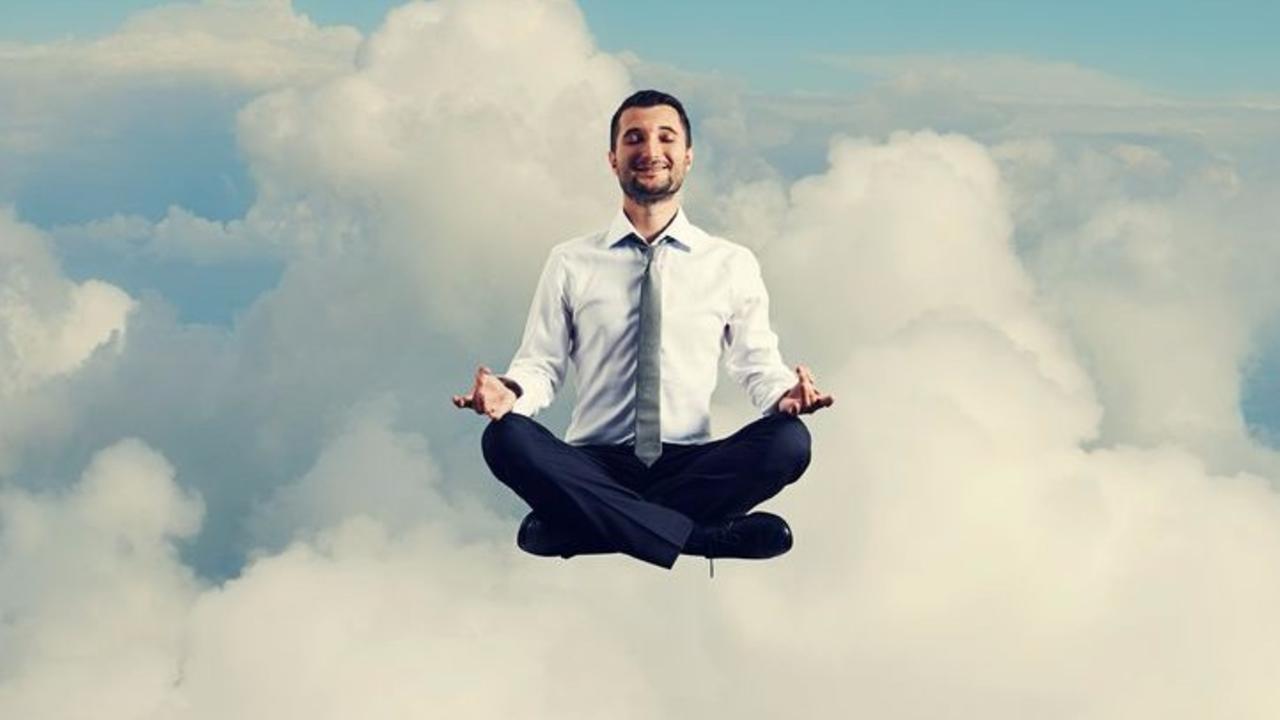
Ready to Destress From the Holiday Season? Learn To Meditate
Educational Content Disclaimer: This article provides educational information only and is not intended as medical advice, diagnosis, or treatment. The content discusses general health topics and should not replace consultation with your licensed healthcare provider. Always consult with your doctor before making changes to your diet, supplements, or medications. Dr. JJ Gregor is a Doctor of Chiropractic licensed in Texas and practices within the scope of chiropractic care.
Happy Thanksgiving Week!
I've been talking about ways to keep yourself healthy during the holidays. And let's be honest—sometimes it's our family members causing most of the stress.
But here's what I want you to understand: meditation isn't just about feeling zen or being spiritual. It's a physiological intervention that directly affects your stress response system.
When you meditate consistently—even just 20 minutes per day—you're not just relaxing. You're reprogramming your HPA axis and restoring adrenal function.
How Meditation Affects Your Stress Response
Your adrenal glands produce cortisol in response to stress. That's normal. That's healthy. The problem is when stress becomes chronic and cortisol stays elevated.
Chronic cortisol elevation creates:
- Disrupted sleep patterns
- Blood sugar dysregulation
- Suppressed immune function
- Increased inflammation
- Brain fog and anxiety
- Weight gain (especially around the midsection)
When your adrenals are exhausted from chronic stress, cortisol production becomes dysregulated. You're either producing too much (creating anxiety and insomnia) or too little (creating fatigue and crashes).
Meditation directly intervenes in this cycle.
What The Research Actually Shows
Studies on meditation consistently demonstrate measurable physiological changes:
Cortisol reduction: 20 minutes of daily meditation lowers cortisol by 20-30%. This isn't subtle. This is measurable stress hormone reduction.
Blood pressure normalization: Meditation reduces both systolic and diastolic blood pressure by activating the parasympathetic nervous system (rest-and-digest mode).
Serotonin increase: Meditation boosts serotonin production, improving mood and sense of well-being without pharmaceutical intervention.
Immune function improvement: Meditation increases natural killer cell activity and reduces inflammatory markers.
Mental clarity and focus: Regular meditation increases gray matter density in brain regions responsible for attention and emotional regulation.
Energy increase: By reducing the constant cortisol demand on your adrenals, meditation frees up energy for everything else.
And that's all from 20 minutes per day.
Twice daily practice (20 minutes morning and evening) shows even more profound results. But start with once daily. Consistency beats intensity.
Why This Matters For The Holidays
You experience three types of stress: structural, chemical, and emotional. Your adrenal glands respond to all three the same way.
During the holidays, you're likely experiencing all three simultaneously:
- Emotional stress: family dynamics, financial pressure, social obligations
- Chemical stress: blood sugar swings from holiday food, alcohol, dehydration
- Structural stress: poor sleep, travel, sitting in cars/planes
These different stress types stack on each other, depleting your adaptive capacity faster than any single stressor alone.
You can't eliminate holiday stress. But you can reduce the chemical stressors (blood sugar, dehydration) and add a practice that directly reduces cortisol and restores adrenal function.
That's meditation.
How To Actually Do This
I know meditation sounds easy. Sit quietly for 20 minutes. Simple, right?
Not quite.
Your mind will wander. Constantly. That's normal. That's expected. The practice isn't about achieving perfect mental silence. The practice is about noticing when your mind wanders and gently bringing it back.
Every time you notice your mind has wandered and you redirect it back to your breath (or mantra, or body sensation), you're strengthening the neural pathways that regulate attention and emotional control.
It's mental exercise. It gets easier with practice.
Start Here
If you're new to meditation, don't overcomplicate it:
- Set a timer for 5-20 minutes (start with 5 if 20 feels impossible)
- Sit comfortably (doesn't have to be cross-legged on the floor—chair is fine)
- Close your eyes
- Breathe normally (don't force deep breathing, just notice your breath)
- When your mind wanders, gently return to noticing your breath
That's it. No special technique required. Just repeated attention training.
As you get comfortable with the basics, you can explore guided meditations or specific techniques. But don't let perfectionism stop you from starting.
Resources I Recommend
For beginners:
- Headspace: Great introduction to meditation with structured programs
- Insight Timer: Free app with thousands of guided meditations
- Chopra Center 21-Day Meditation Challenges: Guided daily practice with Oprah and Deepak
For those who prefer video instruction:
Brendon Burchard's meditation technique:
Beyond The Holidays
Don't limit this to holiday stress management.
Make meditation a daily practice. Your stress response system doesn't stop needing support after New Year's. The benefits compound over time.
Daily meditation:
- Reduces baseline cortisol levels
- Improves HPA axis regulation
- Increases stress resilience
- Enhances sleep quality
- Stabilizes mood and energy
Think of it as hygiene for your nervous system. You brush your teeth daily to prevent decay. You meditate daily to prevent stress-induced breakdown.
Your health (and your family) will thank you.
Ready to optimize your health and performance? Dr. JJ Gregor uses Applied Kinesiology and functional health approaches to help patients achieve their wellness goals at his Frisco, Texas practice. Schedule a consultation to discover how nutrition, stress management, and lifestyle optimization can support your overall health.
Stay connected with news and updates!
Join our mailing list to receive the latest news and updates from our team.
Don't worry, your information will not be shared.